From Two-Up in the Trenches to Live Dealers in the Lounge: How Australia Fell in Love with the Cards
Photo: Photographer: John C. Radcliffe, CC BY-SA 4.0, via Wikimedia Commons
Every year on Anzac Day, in RSLs and pub carparks from Darwin to Hobart, otherwise law-abiding Australians break out a set of pennies and start shouting 'heads' and 'tails' at the top of their lungs. Two-up is illegal 364 days a year in most of the country. On the 25th of April, it's practically sacred.
That contradiction tells you everything about Australia's relationship with games of chance. We don't just play them — we adopt them, bend them to our culture, and refuse to give them up.
The Game That Came Home from the War
Two-up's origins are murky, but its heart is pure Australian. Diggers played it in the trenches of Gallipoli and the fields of France during the Great War, a bit of chaos and luck amid unimaginable circumstances. When they came home, the game came with them.
It's a beautifully simple game — two pennies, a paddle, a crowd — but what made it stick wasn't the mechanics. It was the ritual. The call of 'come in, spinner.' The communal roar. Two-up isn't really about the coins. It's about standing shoulder to shoulder with your mates and letting fate have a say.
That communal DNA runs through all of Australia's gaming history. We've never been a nation of solitary gamblers. Even our pokies, famously, get played in loud, bright rooms full of other people.
The Pub Is the Casino
If two-up gave Australia its gaming soul, the pub gave it a venue. Card games in Aussie pubs stretch back to the colonial era — when a shearer's payday meant a feverish game of poker in the back room of a outback hotel, kerosene lamps flickering over a dirty deck.
Five-card stud, poker, euchre, later Texas Hold'em — the games changed, but the setting didn't. The pub card room was where working Australians learned to bluff, to read a face, and to lose a week's wages with dignity (or without).
Then came the machines. The pokies lounges of the 80s and 90s transformed the pub gaming experience from social to solo, and whether that was progress or a downgrade is an argument we've been having ever since. But even the machines kept the pub setting — the noise, the crowd, the complimentary sausage sizzle out the front.
Crowning the Classics
In the spirit of our royal mandate here at King Billy, we reckoned it was time to hand out some titles. Which games truly earned their place in the Australian heart?
The King of the Pub: Texas Hold'em. The poker boom of the 2000s hit Australia hard, and the game never left. Every second pub in the country runs a weekly tournament now.
The Queen of Ritual: Two-Up. Still wears the crown every Anzac Day, and long may it reign.
The Jack of Nostalgia: Euchre. Ask any Australian over 60 about family Christmas card games and you'll get a look of pure reverence.
The Ace of the Modern Era: Live dealer blackjack. Which brings us to now.
The Backyard Goes Digital
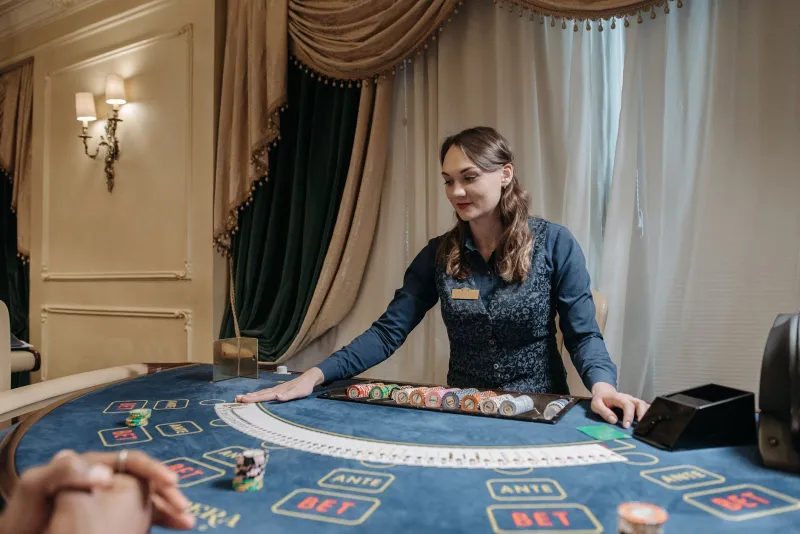
Here's the thing about the latest chapter: online live dealer tables didn't replace the pub experience — they recreated it. A real dealer, real cards, real chat, other real players at the table. It's the back room of the outback hotel, minus the drive home.
Aussie players took to live tables faster than almost any market, and we'd argue it's because of that deep cultural programming. We never wanted a computer to deal our cards. We wanted a person, a bit of banter, and the feeling that someone else is riding the same rollercoaster.
From trenches to taverns to tablets, the through-line is the same: Australians play games of chance to be together. The pennies got heavier, the tables got digital, but the crowd never went home.